Category overview

Motor Control Center (MCC)

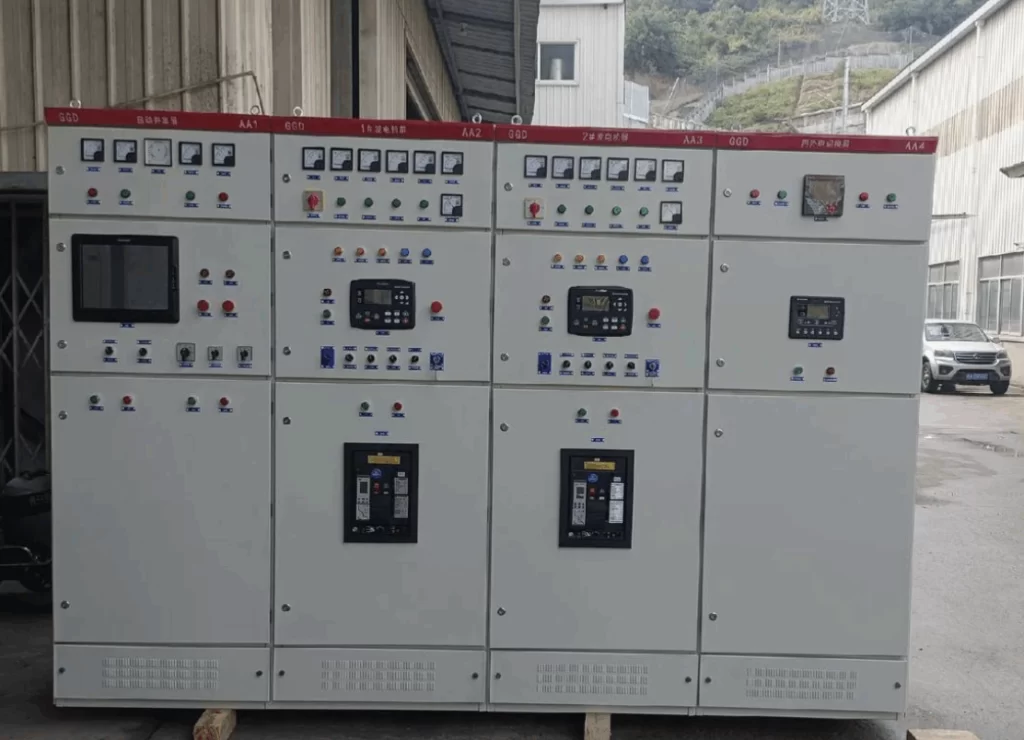
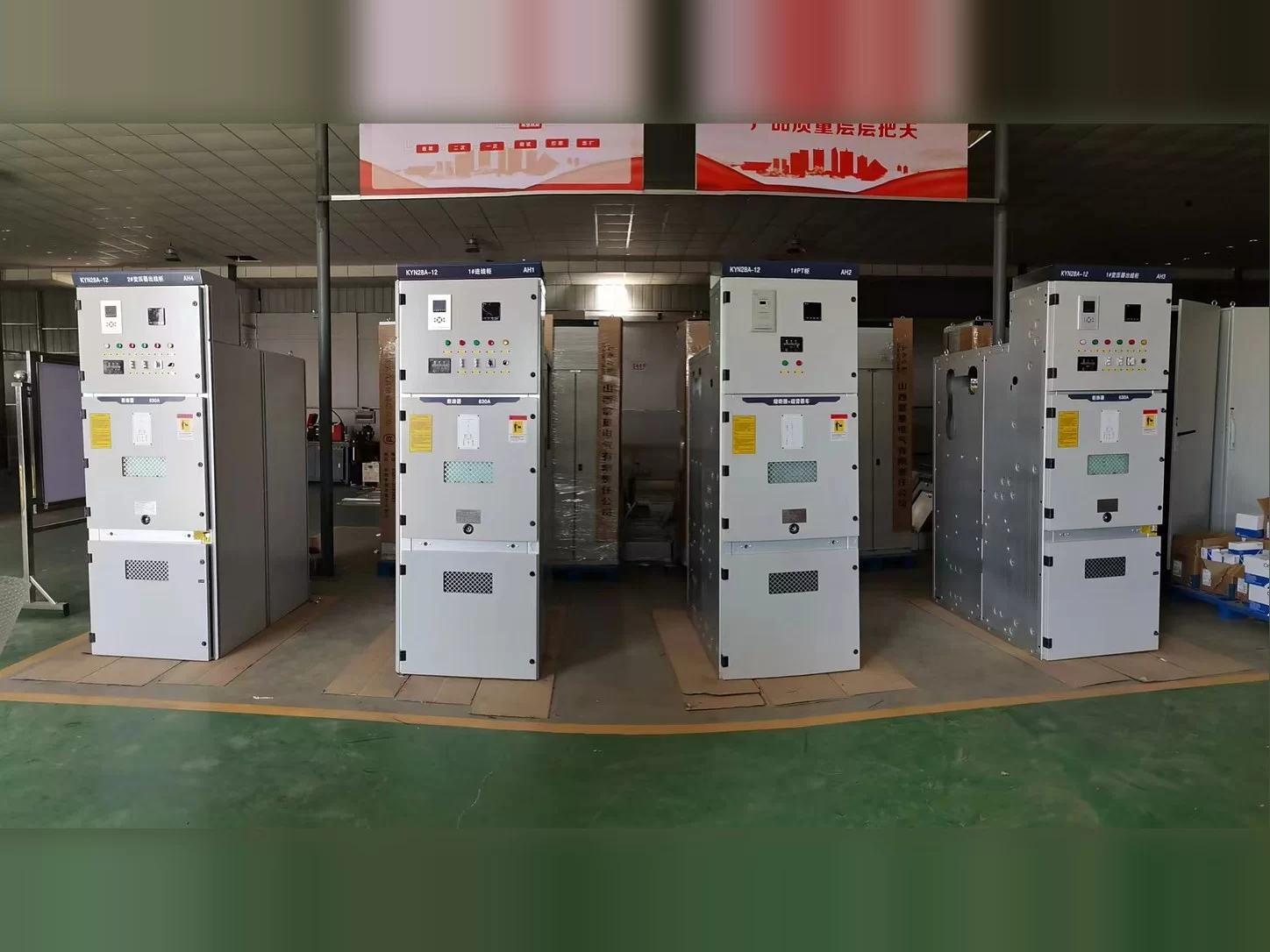
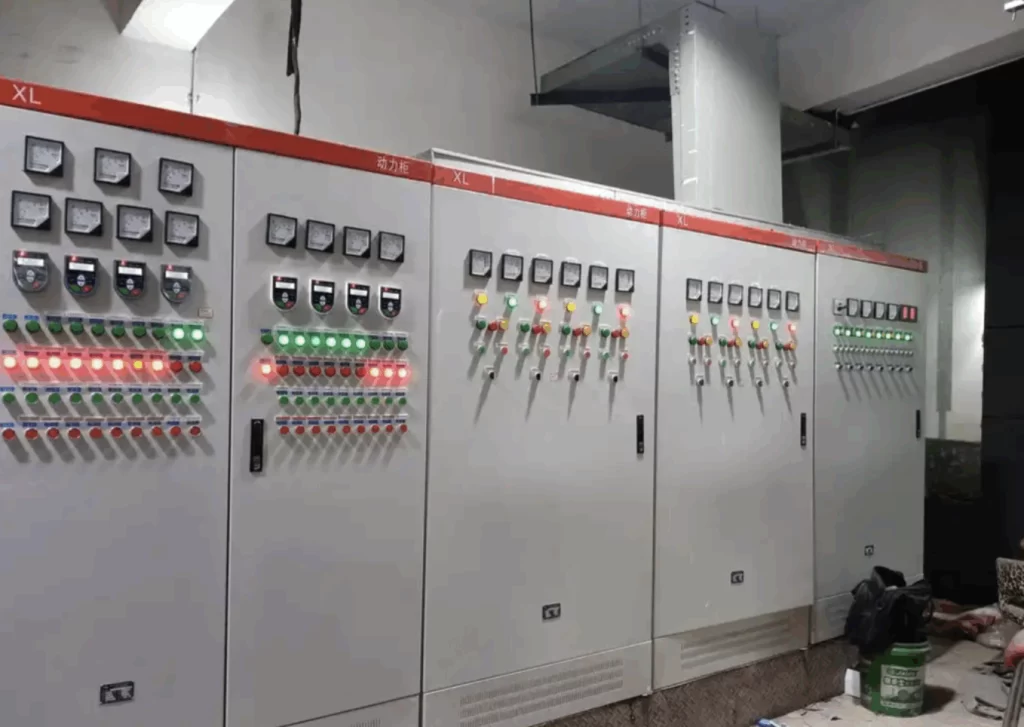
Motor control centers organize the power distribution, starting, switching and protection of multiple motors within a centralized electrical assembly. Typical configurations include motor starters, soft starters, drive units and protective devices. Related solutions such as medium-voltage protection, fire protection control, hazardous-area control and power factor correction can be engineered separately according to project requirements.

Discuss your project

Filter by product tag

20 products · Showing 19–20

Motor Starter Cabinet

Motor Control Center (MCC)

Motor Starter Cabinet

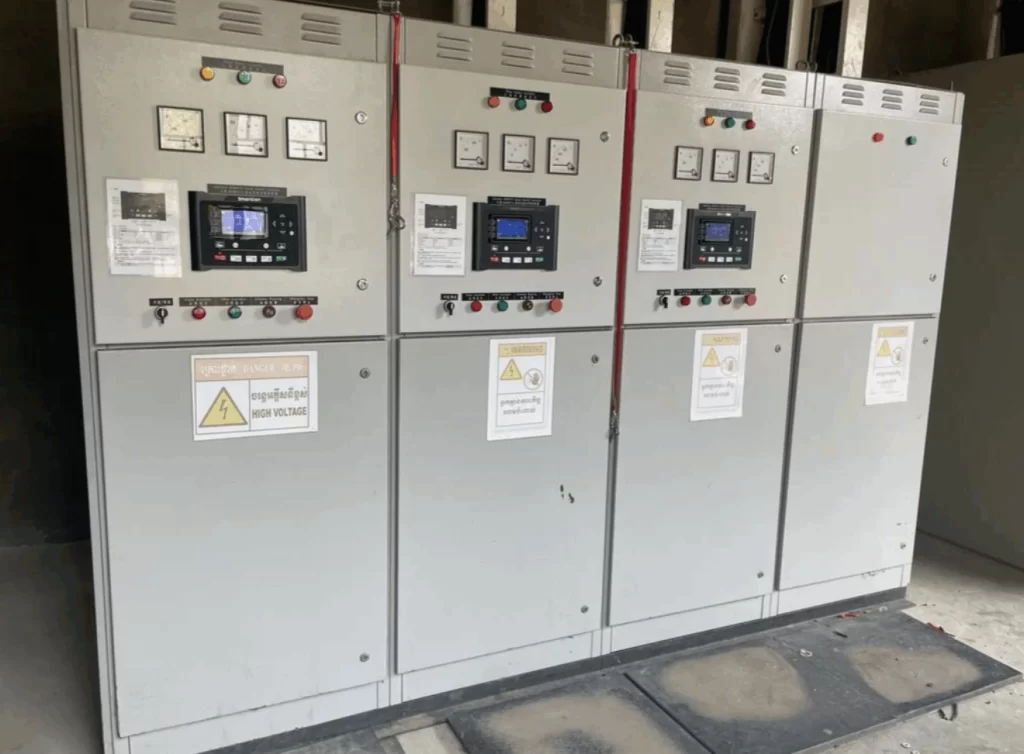
  • Motor Control Panel

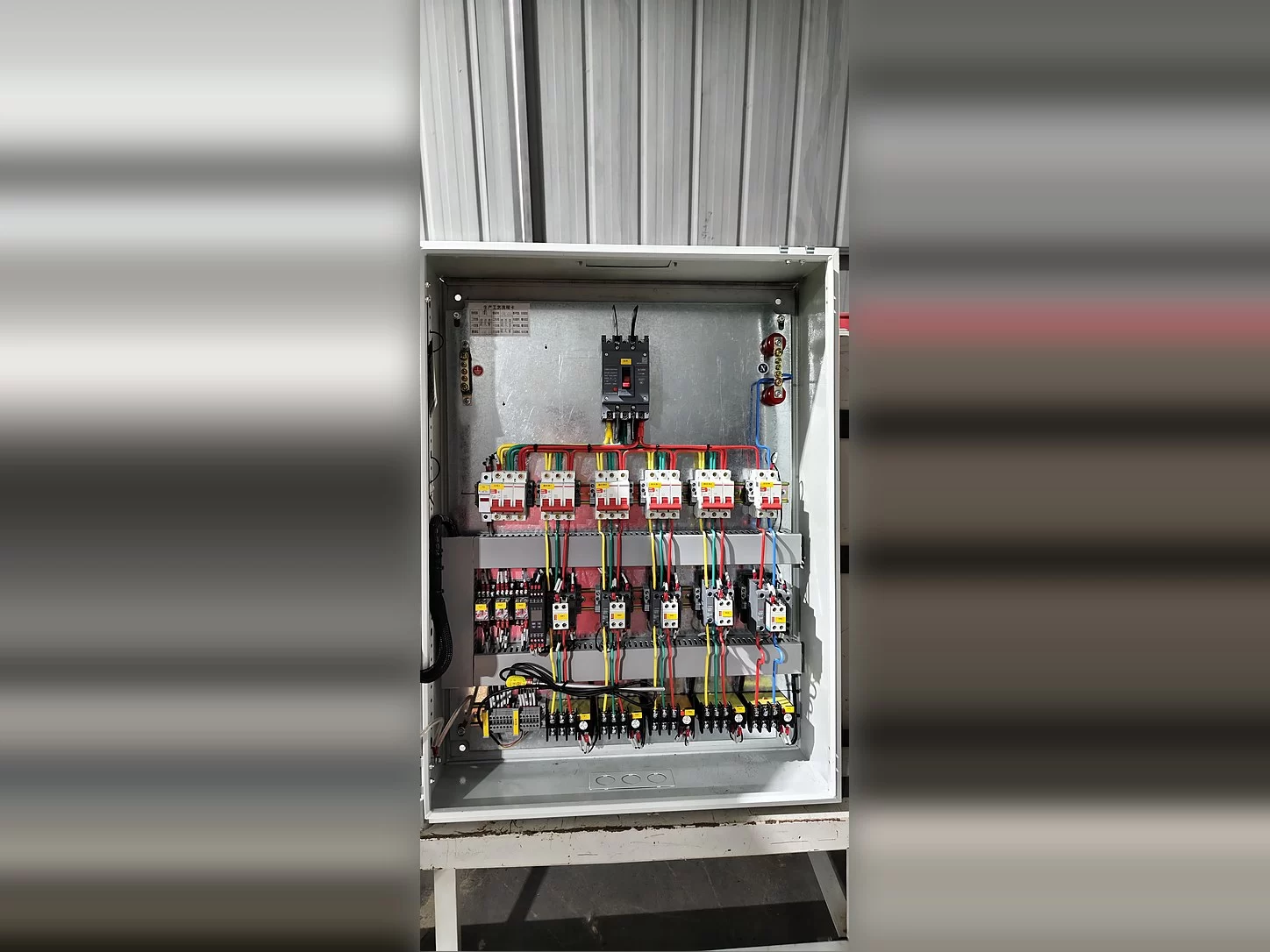
A motor starter cabinet contains the switching, starting and protection equipment required for electric motors. Direct-on-line, star-delta or soft-start arrangements are chosen to suit the motor duty.

View product
HV Protection and Control Panel

Motor Control Center (MCC)

HV Protection and Control Panel

  • Motor Control Panel

An HV protection and control panel houses protective relays, control circuits and status interfaces for electrical networks. Protection functions and settings are determined by the system voltage and protection study.

View product

The essentials

What is motor control center (mcc)?

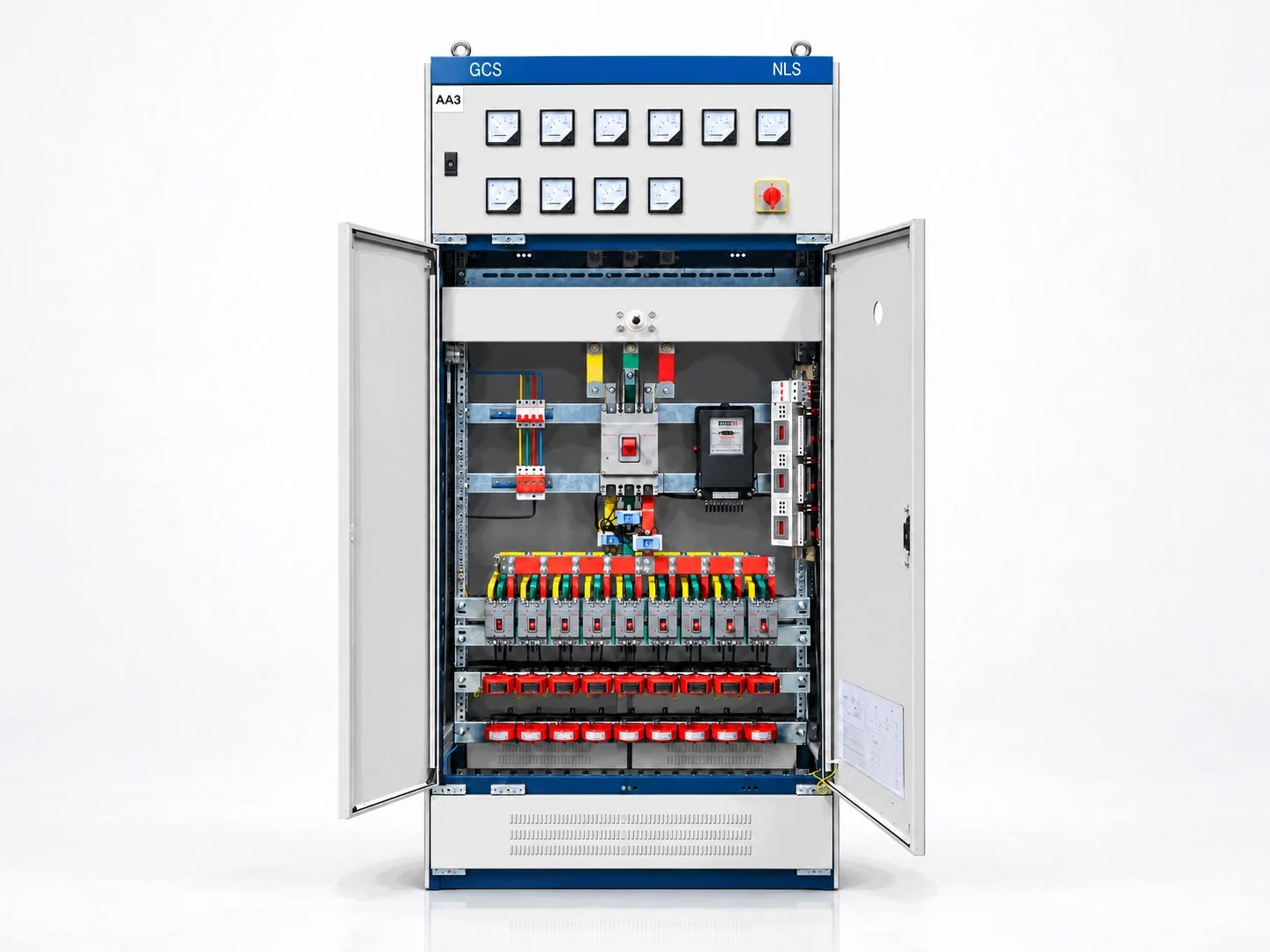
A motor control center is an enclosed electrical assembly with a common power bus and individual motor control units. Each unit contains the switching, starting and protective devices required for its connected load. MCCs are used to organize motor operation across industrial facilities, where multiple machines need coordinated power distribution and control.

How it works

Working principle

  1. Receive and Distribute Power

    The incoming electrical supply enters the MCC through the specified main switching and protective arrangement. The internal busbars distribute power to individual motor control units according to the electrical ratings and circuit configuration.

  2. Start and Control Motors

    Each motor control unit uses the selected starter, contactor, soft starter or drive to operate its connected motor. Control commands determine the starting, stopping and, where applicable, speed regulation of individual motors.

  3. Monitor and Protect Motor Circuits

    Protective devices respond to faults such as overloads and short circuits according to their settings and ratings. Proper coordination between protective devices helps limit fault effects and supports the operation of unaffected circuits where the system design permits.

Project enquiries

Have a single-line diagram or equipment schedule?

Share the electrical ratings, circuit functions and installation conditions for a configuration review.

Send your requirements

Why this category

Practical advantages

Review the selected model against the electrical and installation requirements of the project.

  • Centralized motor feeders organize power distribution and control for multiple industrial machines.
  • Motor starters, soft starters and variable-speed drives can be selected to suit different load and starting requirements.
  • Individual motor control units provide a structured layout for circuit identification, inspection and maintenance.
  • MCC arrangements can be coordinated with automation, protection and power distribution systems according to project specifications.

Before you specify

Frequently asked questions

What is the difference between an MCC and a motor control cabinet?

An MCC usually combines multiple motor control units within a shared power distribution assembly. A standalone motor control cabinet is typically designed for one motor or a smaller equipment group. The selection depends on the number of loads, required ratings, control functions and installation arrangement.

Can an MCC include soft starters and VFDs?

Yes. An MCC can include direct-on-line starters, soft starters and variable frequency drives when the electrical design supports them. These devices perform different functions: soft starters control motor starting characteristics, while VFDs can regulate motor speed during operation.

Can high-voltage protection, fire control and explosion-proof equipment be included?

These functions require separate technical review. Medium-voltage motor control uses appropriately rated equipment, while fire protection controls and hazardous-area equipment must meet their specific application and safety requirements. They should not be assumed to be standard features of a low-voltage MCC.

Can power factor correction be integrated with motor control equipment?

Power factor correction equipment may be provided as part of a coordinated electrical distribution solution. The capacitor arrangement, switching method, harmonic conditions and system design must be reviewed to determine whether a dedicated compensation cabinet or a compatible integrated arrangement is appropriate.

Project enquiries

Select the right equipment for your project.

Share your specifications, drawings and installation conditions. We can review the appropriate product and configuration.

Send your requirements
KNOWLEDGE & RESOURCES

Latest Blog Articles

Illustration accompanying What is Switchgear Cabinet?

Switchgear Guides

What is Switchgear Cabinet?

In industrial power distribution, substations, commercial buildings and new energy power systems, Switchgear Cabinet is the core assembled electrical equipment that ensures power transmission, distribution and safety protection.…

Explore practical information for your next equipment enquiry.

View all articles ↗

PROJECT ENQUIRY

Discuss your requirements.

Shengyu — Global enquiry dialog (#4)
PROJECT BRIEF

Your enquiry details

This brief has not been sent. You can copy it for your project discussion.