Category overview

Medium-Voltage Switchgear

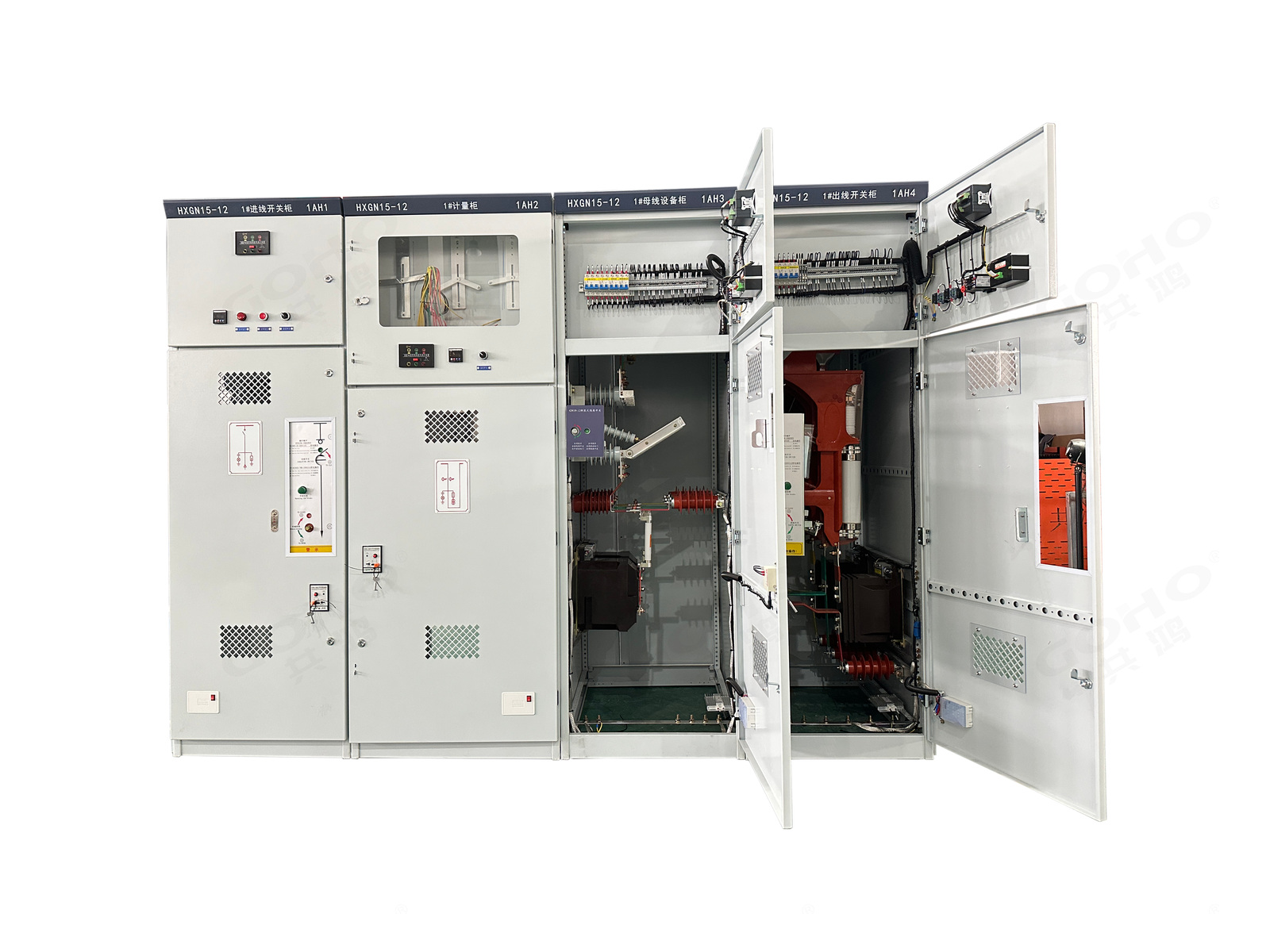
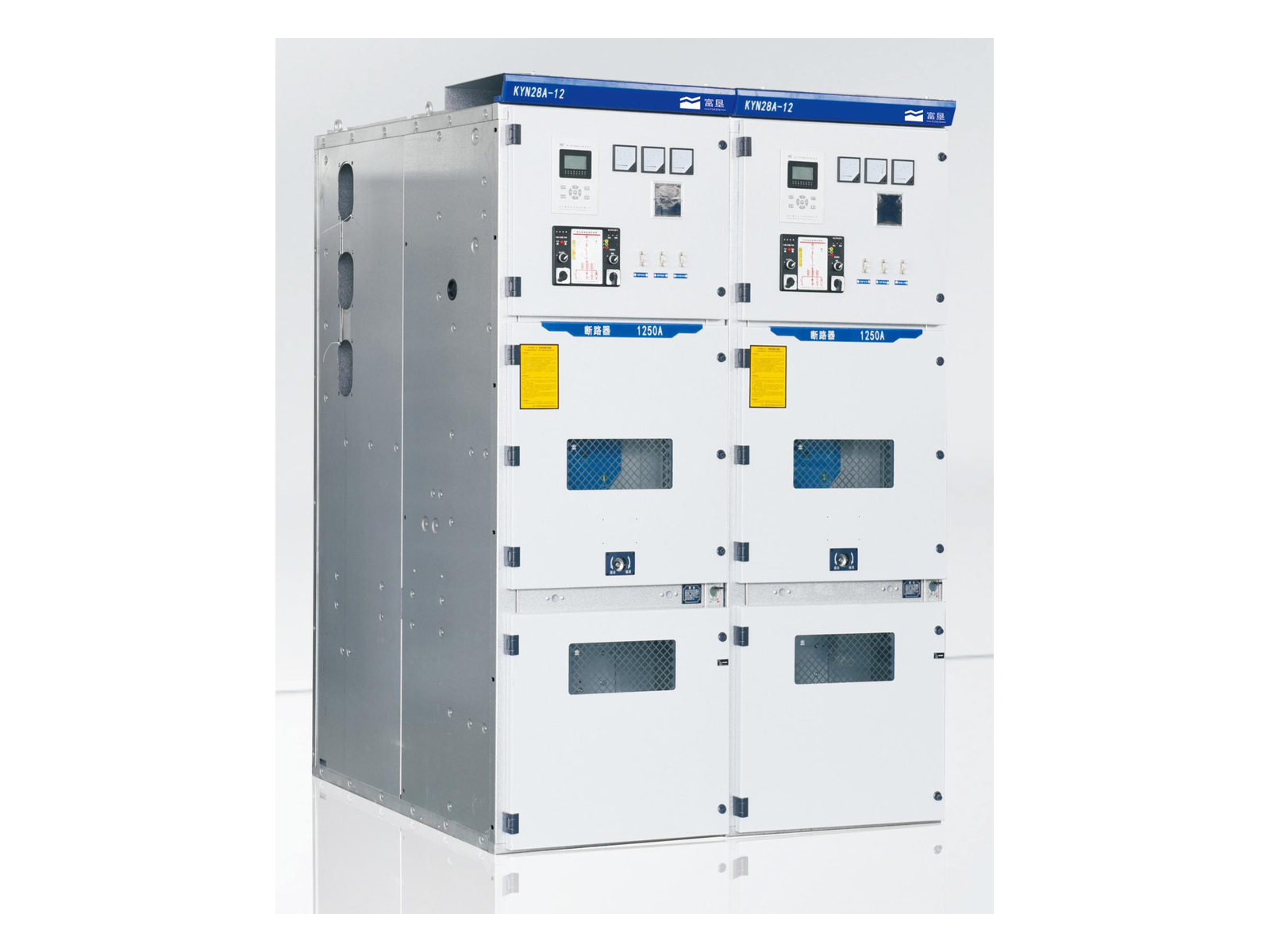
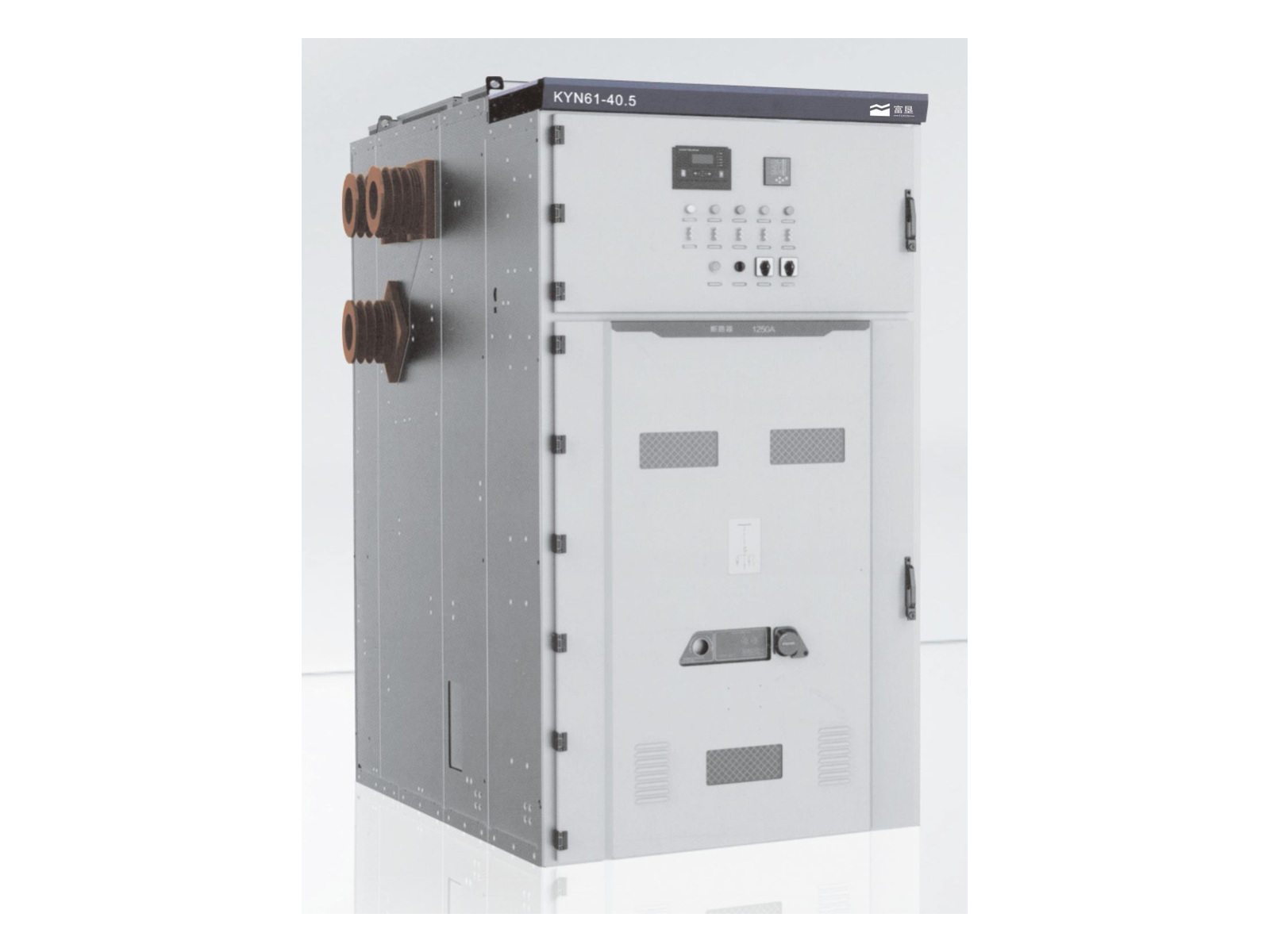
Medium-voltage switchgear connects and controls distribution circuits with equipment selected for the network voltage and fault duty. HXGN15-12 offers fixed ring-main arrangements; KYN28-12 and KYN61-40.5 provide withdrawable metal-clad arrangements. Choosing between them requires a review of switching, protection and operating needs, rather than voltage alone.

KYN61-40.5 medium-voltage switchgear cabinet

3 products · Showing 1–3

KYN28-12 Metal-Clad AC Metal-Enclosed Switchgear

Medium-Voltage Switchgear

KYN28-12 Switchgear

Indoor metal-clad withdrawable switchgear for receiving and distributing electrical power, with circuit control, protection and monitoring.

View product
The essentials

What is Medium-Voltage Switchgear?

Medium-voltage switchgear controls power within distribution networks using switching devices, insulation, protective circuits and an enclosure designed for the specified electrical duty. The available range includes fixed HXGN15-12 ring-main equipment and withdrawable KYN28-12 / KYN61-40.5 metal-clad equipment. A ring-main load-switch arrangement and a protected breaker feeder perform different functions and require different selection checks.

How it works

Working Principle of Medium-Voltage Switchgear

  1. Operate the switching device

    The operating mechanism opens or closes the selected device to control the medium-voltage circuit. Interruption may use vacuum or SF6 technology, depending on the device. In the listed range, the KYN circuit-breaker duty and the HXGN15-12 load-switch or switch-fuse duty must be distinguished in the circuit design.

  2. Measure current and voltage

    Specified current transformers and voltage transformers, commonly identified as CTs and PTs, provide signals for protection and metering. The secondary circuits deliver these signals to the selected relays and instruments. Their arrangement determines which system quantities are available to the protection scheme and the measuring functions.

  3. Trip the protected circuit

    In a protected breaker feeder, relays evaluate the configured fault signals, including overcurrent and earth-fault indications where specified. When the protection criteria are met, the relay commands the breaker to trip. Operating time follows the configured protection scheme and the selected breaker's characteristics.

  4. Isolate and earth for maintenance

    The equipment's specified isolating arrangement separates the circuit, and the earthing switch provides the required earthing connection for the maintenance sequence. A visible break is available where the design provides one. The exact isolation, earthing and permitted access sequence depends on the selected switchgear model and its operating instructions.

Project enquiries

Have a single-line diagram or equipment schedule?

Share the electrical ratings, circuit functions and installation conditions for a configuration review.

Send your requirements

Why this category

Our Medium-Voltage Switchgear Advantages

  • Fixed ring-main and withdrawable breaker formats support different network and operating arrangements.
  • The range separates 12 kV-class equipment from 40.5 kV-rated equipment for 35 kV system applications.
  • KYN compartment and handcart arrangements organize the breaker, busbar, cable and instrument functions.
  • Model-specific interlocks coordinate permitted operations and are reviewed alongside the protection scheme.

Before you specify

Frequently Asked Questions

When should I compare HXGN15-12 with a KYN model?

Compare them when selecting between a compact fixed ring-main arrangement and a withdrawable circuit-breaker arrangement. Network topology, load switching, fault interruption and protection requirements determine the appropriate format.

Why is KYN61-40.5 used in a 35 kV system?

Its equipment rated voltage is 40.5 kV, while the listed system application is 35 kV three-phase AC distribution. System voltage and equipment rated voltage are different specifications and should both appear in the selection documents.

Can a load switch interrupt the same fault current as a circuit breaker?

Do not assume that it can. Load-switch duties differ from circuit-breaker duties. For HXGN15-12, the selected switch-fuse arrangement and protective scheme must be checked for the required circuit function and fault duty.

What enclosure protection and maintenance requirements should I specify?

The listed HXGN15-12 and KYN models have different enclosure protection ratings and construction. Use the technical table for the selected model, describe the site conditions and confirm inspection and maintenance requirements from the equipment documentation.

Which site and protection details are needed?

Provide the single-line diagram, system and equipment voltages, rated current, fault duty, relay and metering requirements, altitude, ambient conditions and room arrangement. Any monitoring functions or unusual environmental conditions require a specific configuration review.

Project enquiries

Select the right equipment for your project.

Share your specifications, drawings and installation conditions. We can review the appropriate product and configuration.

Send your requirements
KNOWLEDGE & RESOURCES

Latest Blog Articles

Explore practical information for your next equipment enquiry.

PROJECT ENQUIRY

Discuss your requirements.

Shengyu — Global enquiry dialog (#4)
PROJECT BRIEF

Your enquiry details

This brief has not been sent. You can copy it for your project discussion.