Medium-Voltage Switchgear
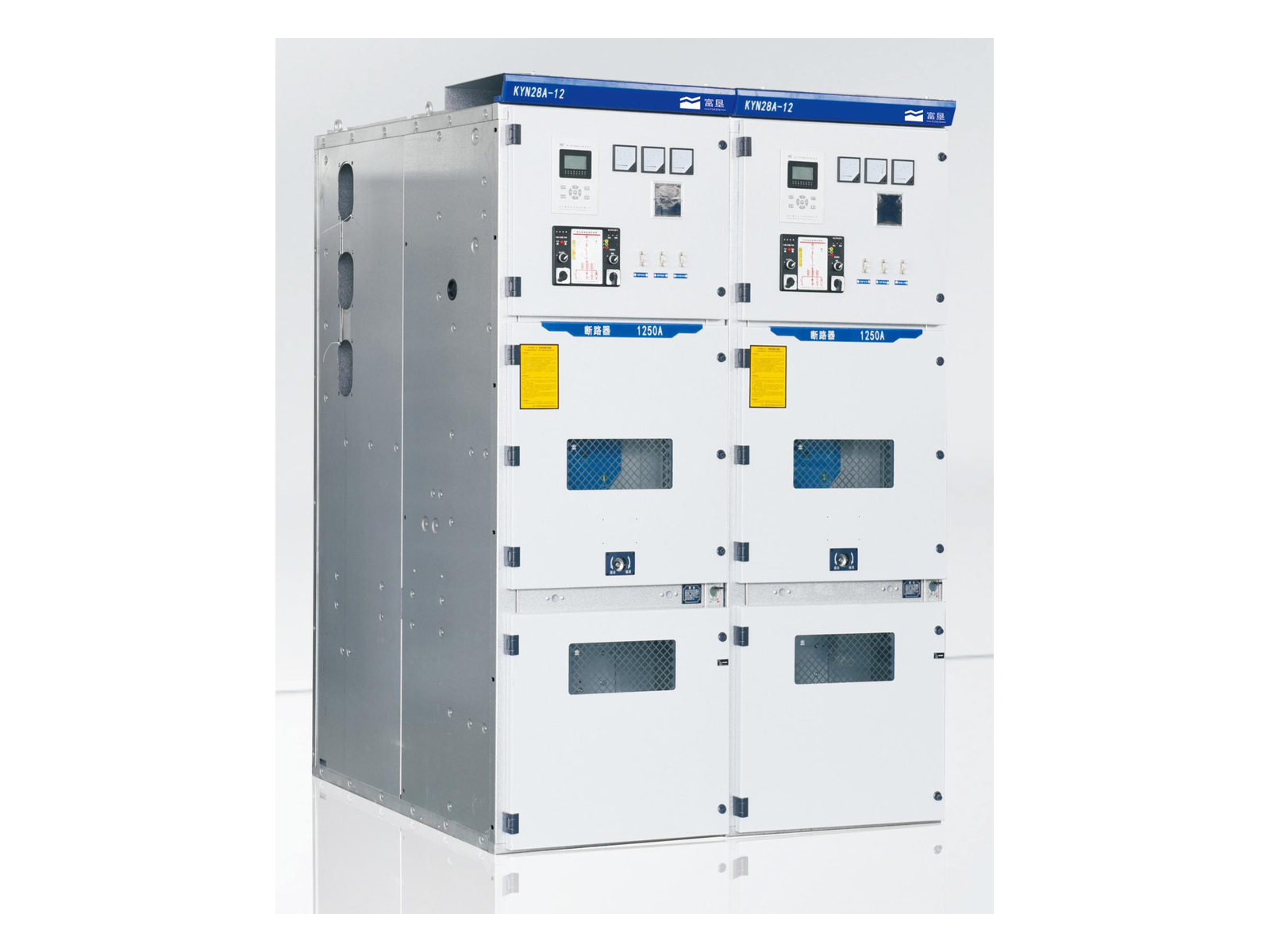
KYN28-12 Switchgear
Indoor metal-clad withdrawable switchgear for receiving and distributing electrical power, with circuit control, protection and monitoring.
View productSwitchgear brings switching, protection and associated circuit functions into a coordinated assembly. Start with the system voltage, then compare the required switching duty and operating arrangement. The available range covers low-voltage drawer units, fixed ring-main equipment and withdrawable medium-voltage breaker equipment.
4 products · Showing 1–4

Medium-Voltage Switchgear
Indoor metal-clad withdrawable switchgear for receiving and distributing electrical power, with circuit control, protection and monitoring.
View product ↗
Medium-Voltage Switchgear
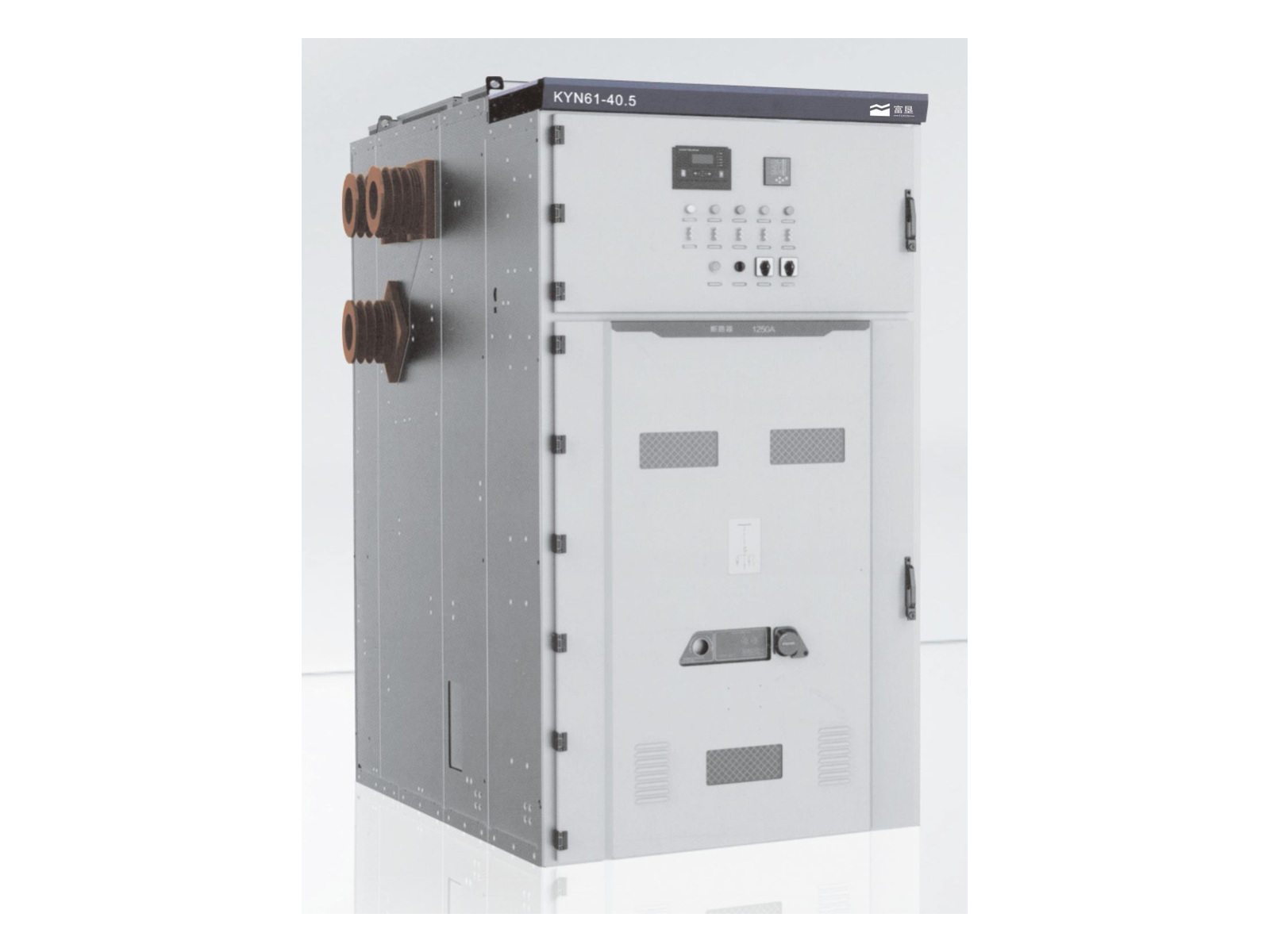
Withdrawable metal-clad switchgear rated at 40.5 kV for use in 35 kV, three-phase AC distribution systems.
View product ↗
Medium-Voltage Switchgear
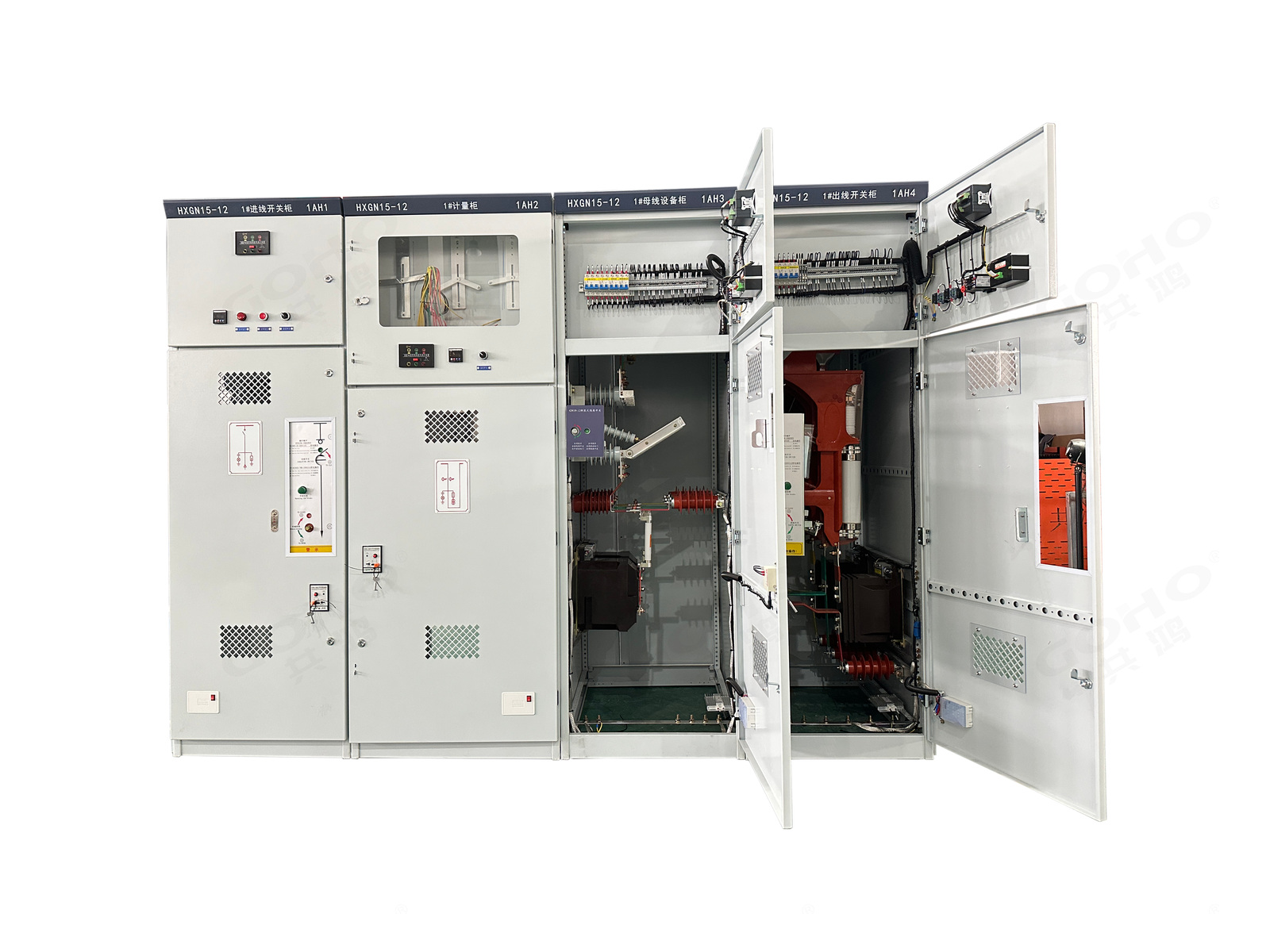
Compact fixed metal-enclosed switchgear for 12 kV ring-main or radial distribution networks, with load-switch and switch-fuse configurations.
View product ↗
Low-Voltage Switchgear
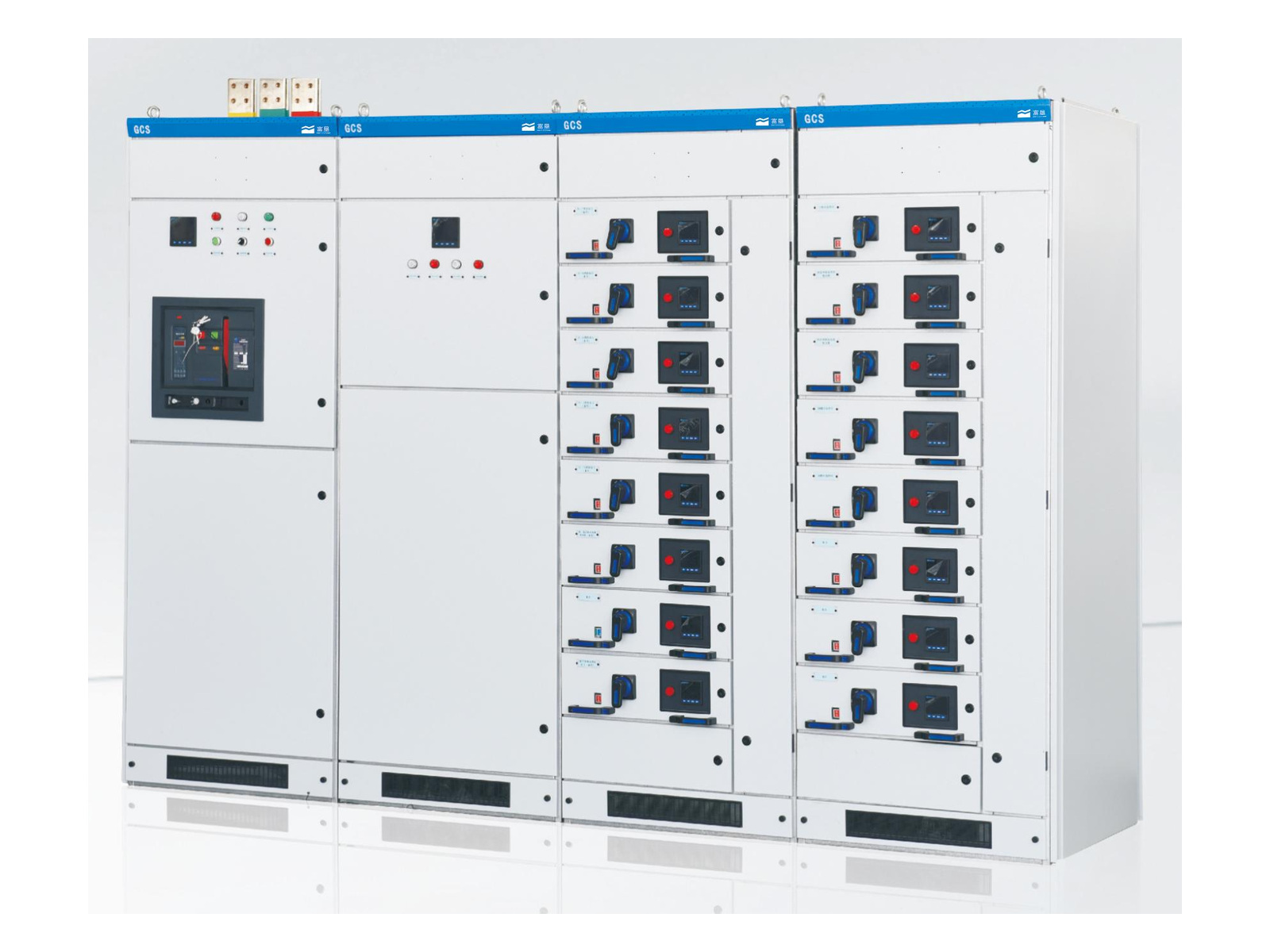
Withdrawable low-voltage switchgear for power distribution, centralized motor control and reactive power compensation.
View product ↗The essentials
Switchgear is an assembly of switching devices, protective equipment and associated circuits used to control electrical power. Its construction depends on the system voltage and the circuit function. The current range includes GCS low-voltage drawer switchgear, HXGN15-12 fixed ring-main equipment and KYN28-12 / KYN61-40.5 withdrawable metal-clad equipment. These formats have different switching and protection capabilities.
How it works
A circuit breaker or load switch connects and disconnects the power circuit within its specified operating duty. The selected switching device determines which currents it can interrupt. The operating arrangement must therefore distinguish normal load switching from the separate task of interrupting a fault current.
Where fitted, current and voltage transformers convert system quantities into signals suitable for measuring instruments and protective devices. These signals allow the protection scheme to assess circuit conditions without applying the primary circuit's full voltage or current directly to the connected instruments or relays.
In a relay-protected breaker circuit, the protective device evaluates the measured signals for the specified fault conditions, such as overcurrent or earth faults. When its operating criteria are met, it sends a trip command to the circuit breaker. The breaker then interrupts the affected circuit within its rated capability.
The specified isolating device or withdrawable arrangement separates the required part of the circuit for maintenance. An isolating switch can provide a visible break where the equipment design includes one. Isolation, earthing and access follow the model's approved operating sequence and do not depend on opening the circuit breaker alone.
Project enquiries
Share the electrical ratings, circuit functions and installation conditions for a configuration review.
Why this category
Before you specify
Start with the system voltage and circuit duty. GCS serves the listed low-voltage distribution and motor-control applications; HXGN15-12, KYN28-12 and KYN61-40.5 serve their specified medium-voltage applications.
No. HXGN15-12 is listed with load-switch or switch-fuse configurations. KYN28-12 and KYN61-40.5 use withdrawable circuit-breaker arrangements. The required switching duty and fault protection determine which format is suitable.
No. Those values describe different model and configuration options. Confirm their permitted combination, operating conditions and selected devices for the equipment being ordered.
They are not established as standard across this range. State the signals, control functions, communication interfaces and supervisory-system requirements so the proposed configuration and scope can be reviewed.
Provide the system and equipment voltages, single-line diagram, continuous currents, short-circuit duty, protection and metering requirements, operating arrangement and site conditions.
Project enquiries
Share your specifications, drawings and installation conditions. We can review the appropriate product and configuration.
Explore practical information for your next equipment enquiry.