Category overview

Control Cabinet

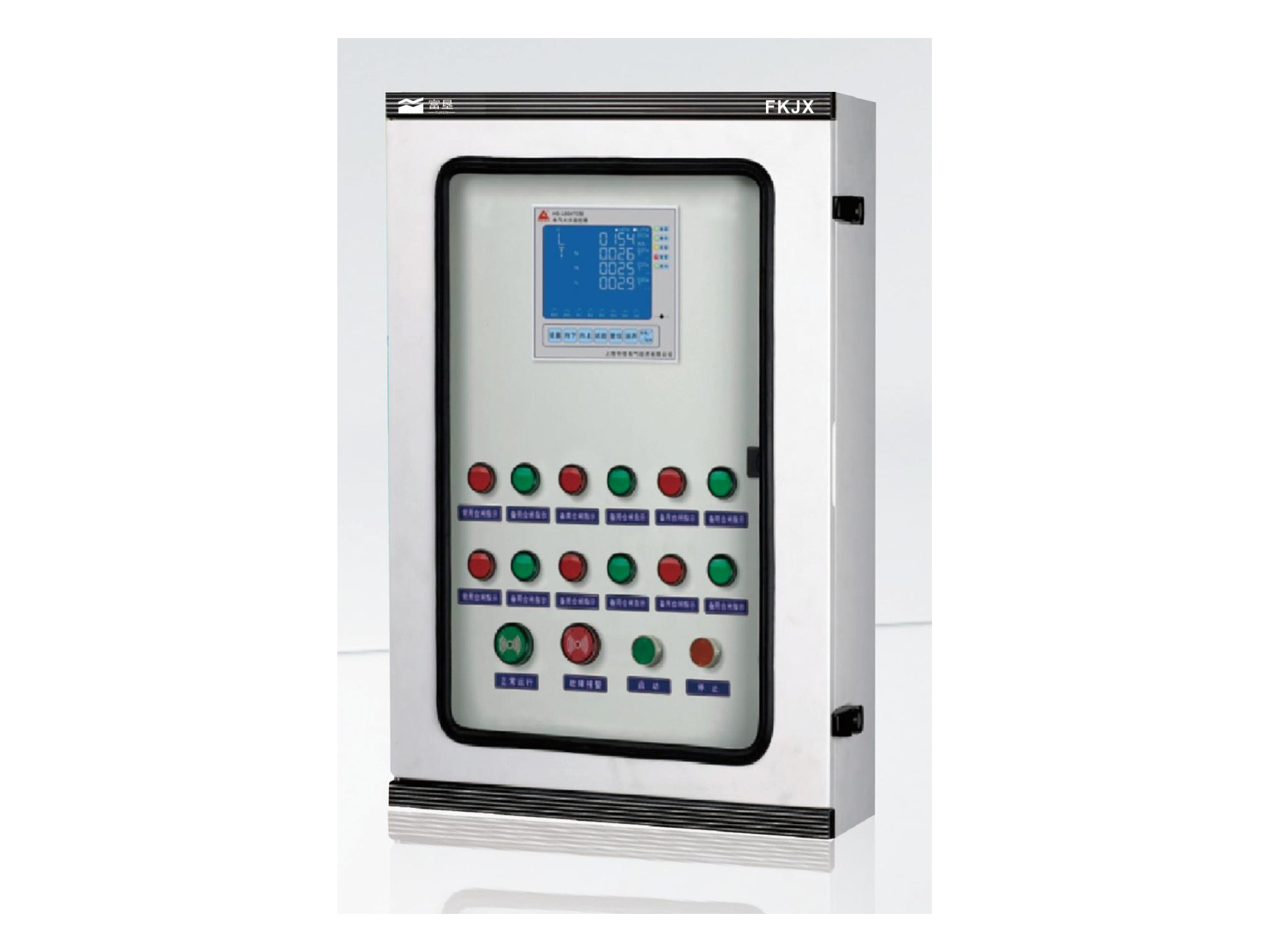
Control cabinets connect operating commands with the switching and protection of electrical loads. For a local motor or branch circuit, the useful starting point is the load schedule and the required operating sequence. This category features FKJX wall-mounted low-voltage control boxes, with circuit functions and enclosure construction selected for the installation.

FKJX low-voltage control box with a glazed front door and control buttons

2 products · Showing 1–2

FK Variable-Frequency Control Cabinet

Control Cabinet

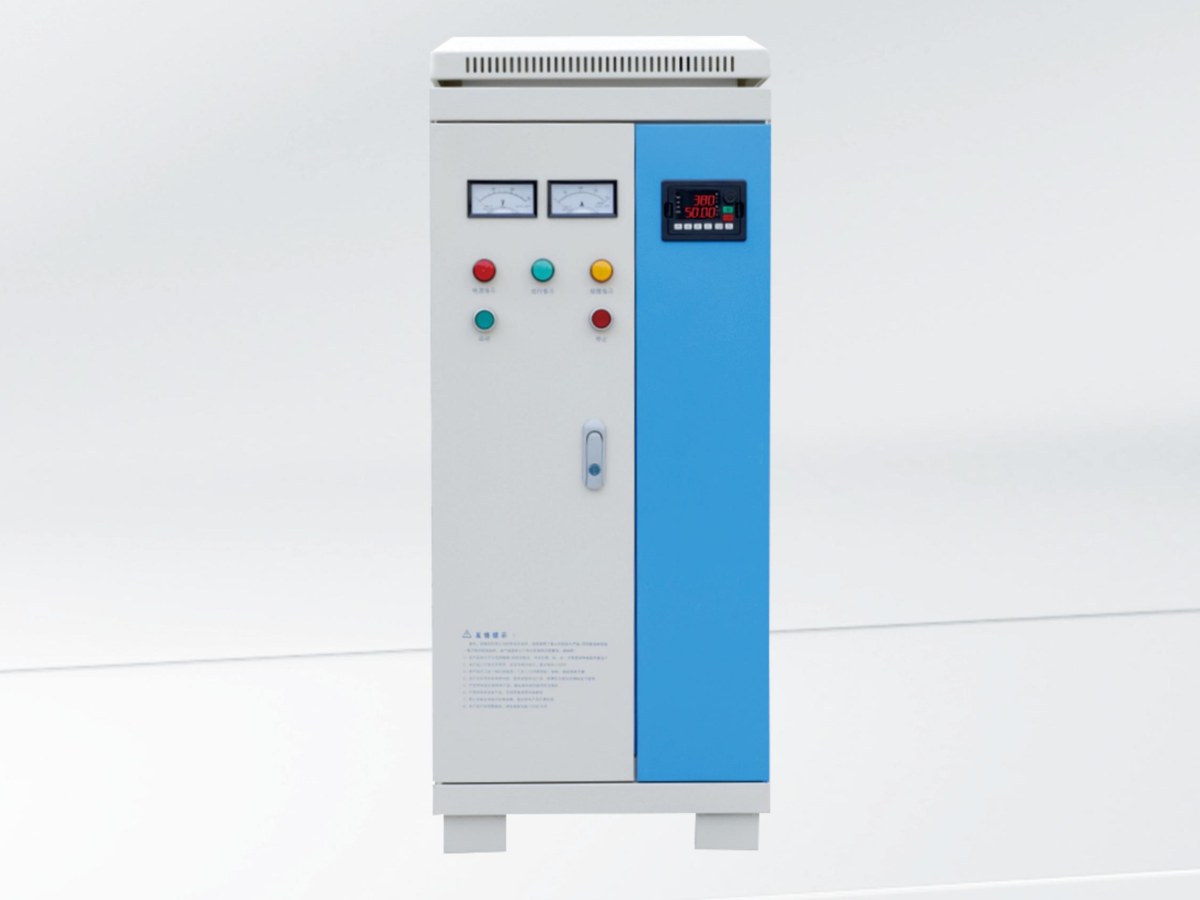
FK Variable-Frequency Cabinet

A variable-frequency drive cabinet for motor-speed control, constant-pressure water supply and automated equipment operation. The FK range can integrate a drive, reactors and filtering components, with PLC and touch-screen options to suit the control scheme.

View product

The essentials

What is a Control Cabinet?

A control cabinet or control box brings the switching, protection and operating controls for electrical loads into one enclosure. Its functions follow the circuit design: a local motor circuit may require start/stop control and overload protection, while a branch distribution circuit may need a different arrangement. The available FKJX range uses a compact wall-mounted enclosure; its name alone does not specify a PLC, touchscreen or communication system.

How it works

Working Principle of Control Cabinet

  1. Receive commands and field signals

    In an automation configuration, operators issue commands through panel buttons or a specified touchscreen. Sensors and limit switches provide signals about the equipment. These inputs enter the selected control circuit, giving the PLC or relay logic the information required to determine the next operating action.

  2. Process logic and operate loads

    A specified PLC processes inputs according to its program, while a relay-based arrangement follows the wired control logic. The resulting outputs operate selected contactors, variable-frequency drives or solenoid valves. This sequence controls the connected machinery in automatic or semi-automatic operation, according to the agreed circuit design.

  3. Apply circuit protection

    Protective devices respond to the electrical conditions covered by the selected design. Circuit breakers and thermal relays provide the specified short-circuit or overload protection, with leakage and surge protection added where required. The actual protective functions depend on the installed devices and their coordination within the control circuit.

  4. Exchange operating data

    Where networked control is specified, a compatible controller and communication interface exchange operating information with a monitoring system. Configured Modbus or Ethernet connections can support remote monitoring and data collection. These functions use the communication hardware and controller configuration specified for the project.

Project enquiries

Have a single-line diagram or equipment schedule?

Share the electrical ratings, circuit functions and installation conditions for a configuration review.

Send your requirements

Why this category

Our Control Cabinet Advantages

  • Wall-mounted construction places local control and distribution circuits close to the connected equipment.
  • Circuit functions and component schedules can be reviewed around the actual load, rather than a generic control layout.
  • Indoor and outdoor enclosure configurations allow the protection level to be selected for the installation.
  • Metal-door and viewing-window options support different needs for access and observation.

Before you specify

Frequently Asked Questions

Is FKJX a distribution box or a motor-control box?

It can be configured for local distribution, branch-circuit control or motor-related functions. Identify each load and the required control and protection functions so the correct circuit arrangement can be reviewed.

Does every control box include a PLC and touchscreen?

No. The FKJX listing does not establish PLC, HMI, programming or network communication as standard features. If automation is required, include the operating sequence, input/output list and interface requirements for a separate scope review.

How should the enclosure protection level be selected?

Provide the indoor or outdoor location, exposure to dust and water, ambient conditions and mounting arrangement. The listed IP options belong to different enclosure configurations and do not all apply to the same box.

Which protective functions are included?

Protection depends on the selected devices and circuit design. State the required overload, short-circuit, phase-loss and leakage functions; their inclusion and settings must be confirmed for the selected configuration.

What should I send for a control-box enquiry?

Provide the supply voltage, load currents, motor or equipment schedule, control sequence, wiring diagram if available, enclosure requirements, quantity and preferred components.

Project enquiries

Select the right equipment for your project.

Share your specifications, drawings and installation conditions. We can review the appropriate product and configuration.

Send your requirements
KNOWLEDGE & RESOURCES

Latest Blog Articles

Explore practical information for your next equipment enquiry.

PROJECT ENQUIRY

Discuss your requirements.

Shengyu — Global enquiry dialog (#4)
PROJECT BRIEF

Your enquiry details

This brief has not been sent. You can copy it for your project discussion.