Category overview

Distribution Cabinet

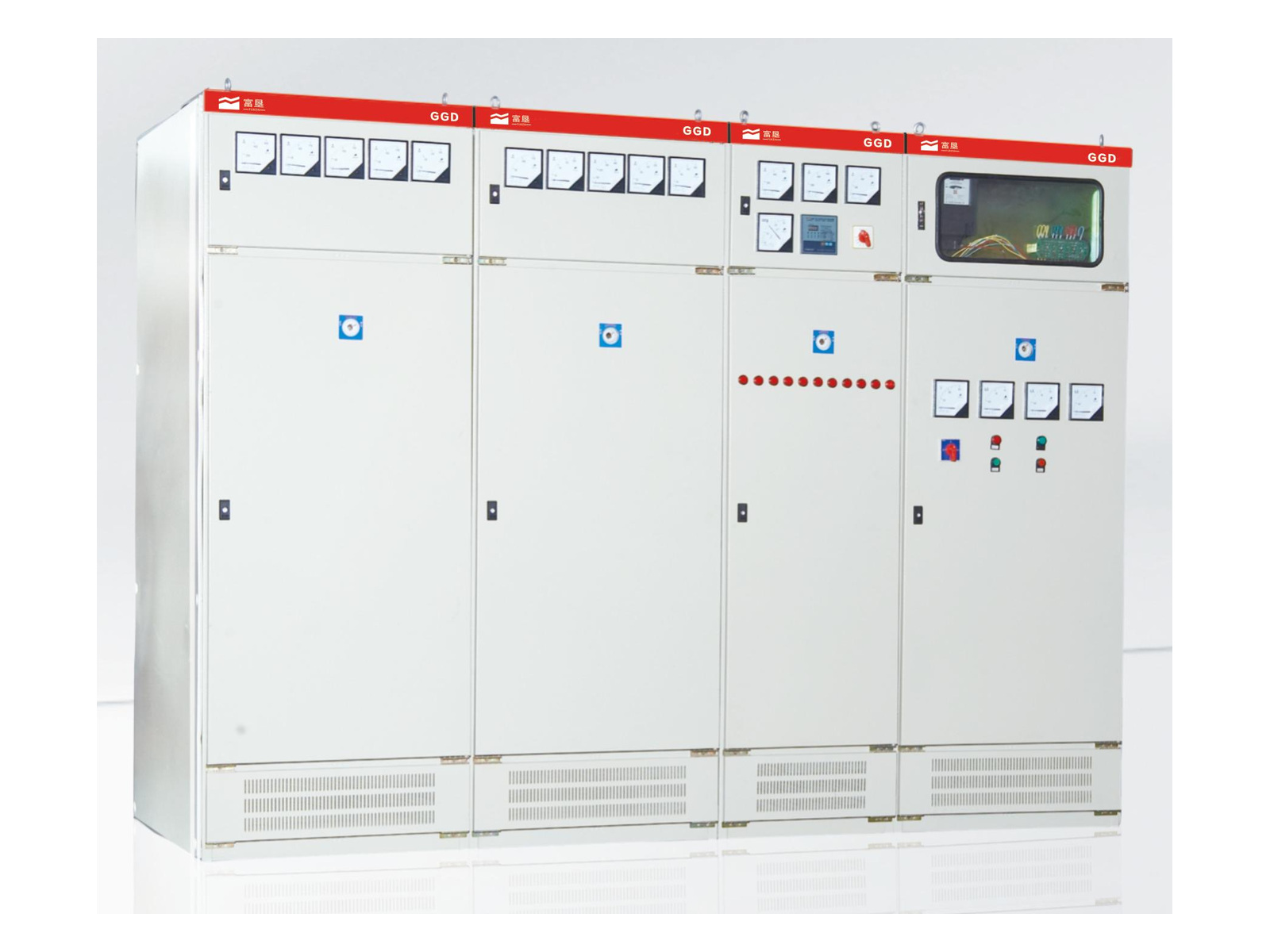
Distribution cabinets organize an incoming power supply into the feeders needed by a facility. Incoming devices, busbars, outgoing protection and metering must work together within the selected ratings. The GGD range uses a fixed cabinet and wiring arrangement for low-voltage power and lighting distribution.

GGD fixed low-voltage distribution cabinet lineup

4 products · Showing 1–4

BXX Series Explosion-Proof Distribution Box

Distribution Cabinet

BXX Explosion-Proof Distribution Box

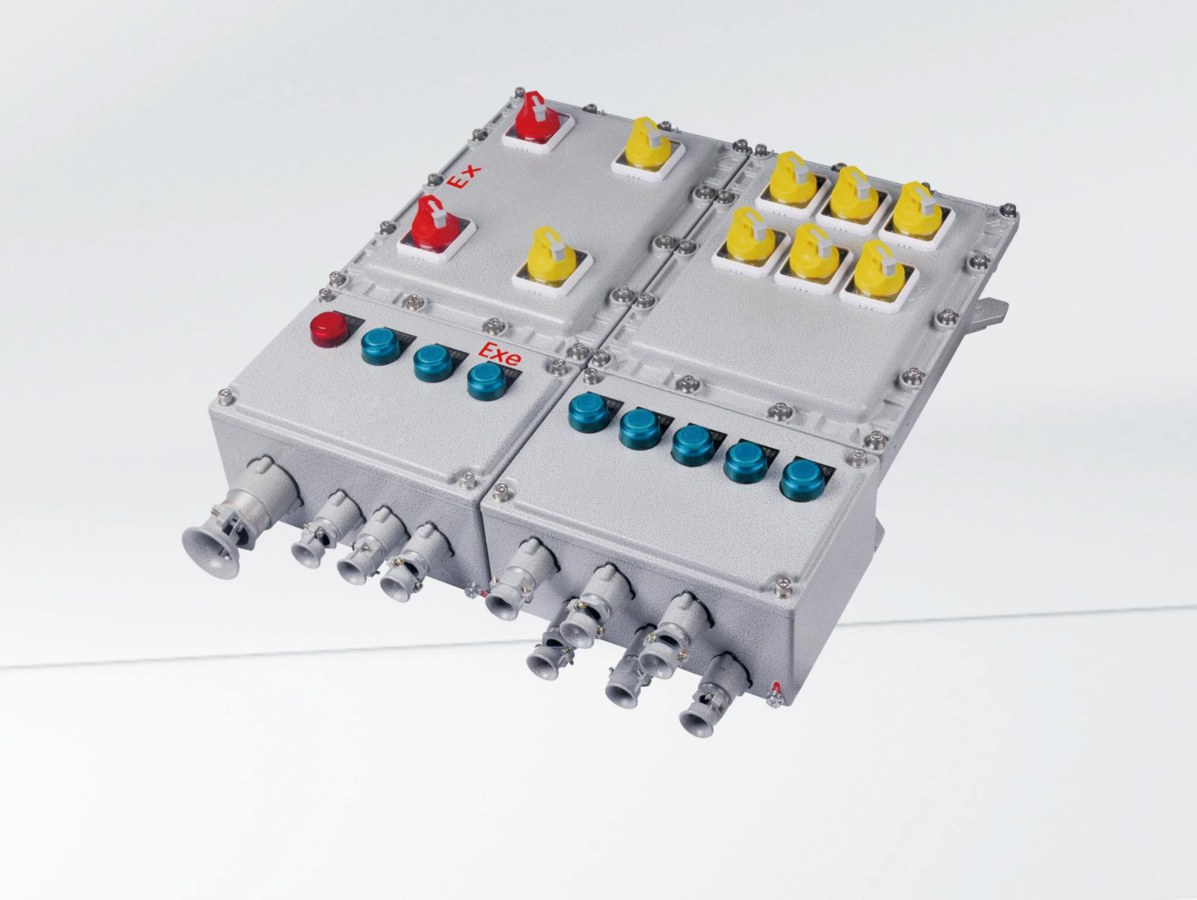
A configurable explosion-proof distribution box for lighting, power and mixed circuits. The BXX range offers flameproof and combined flameproof / increased-safety structures, with a modular arrangement of circuit breakers, operating handles and indicators.

View product
BX Series Explosion-Proof Distribution Box

Distribution Cabinet

BX Explosion-Proof Distribution Box

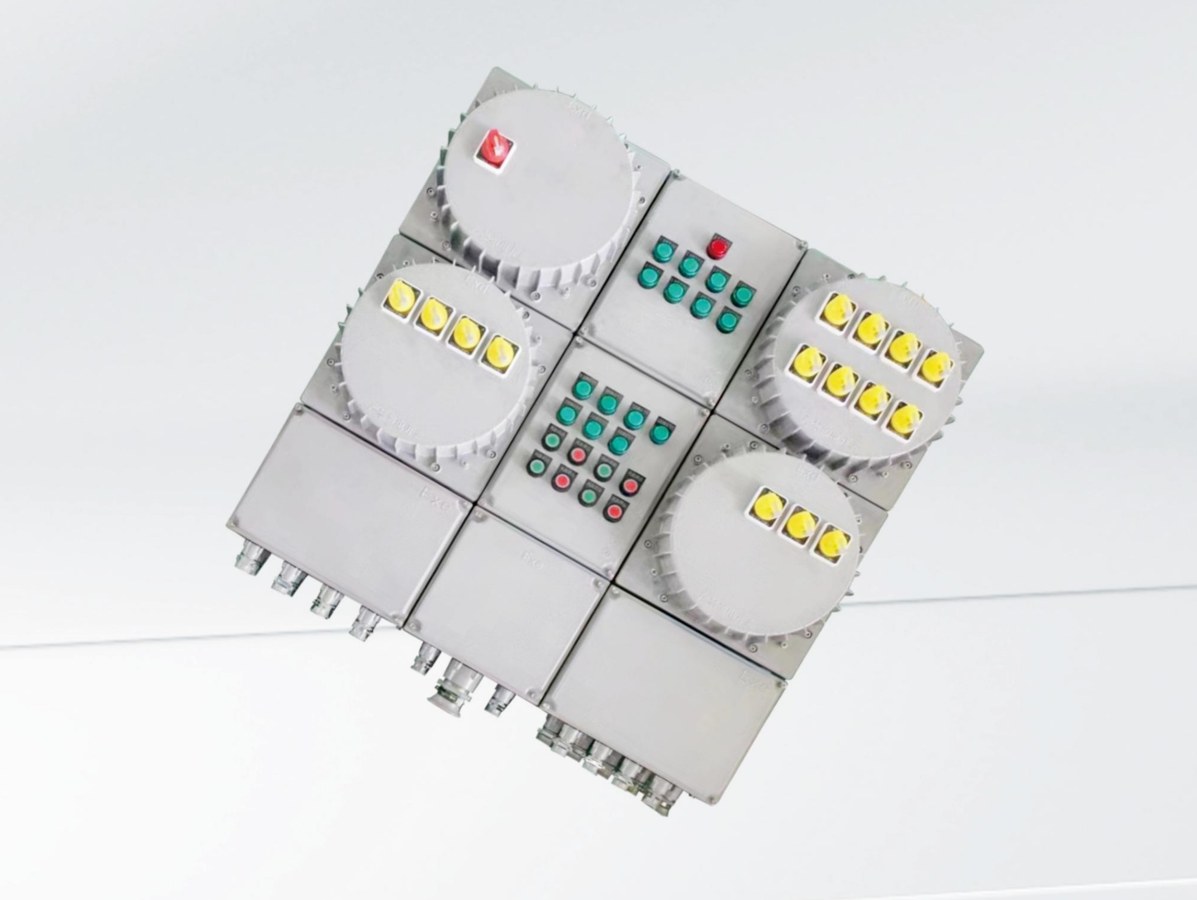
A modular distribution box for lighting, power or mixed circuits in hazardous environments. BX configurations use flameproof enclosures, or a flameproof main chamber with an increased-safety terminal chamber, with externally operated circuit breakers.

View product
JP Series Integrated Distribution Box

Distribution Cabinet

JP Integrated Distribution Box

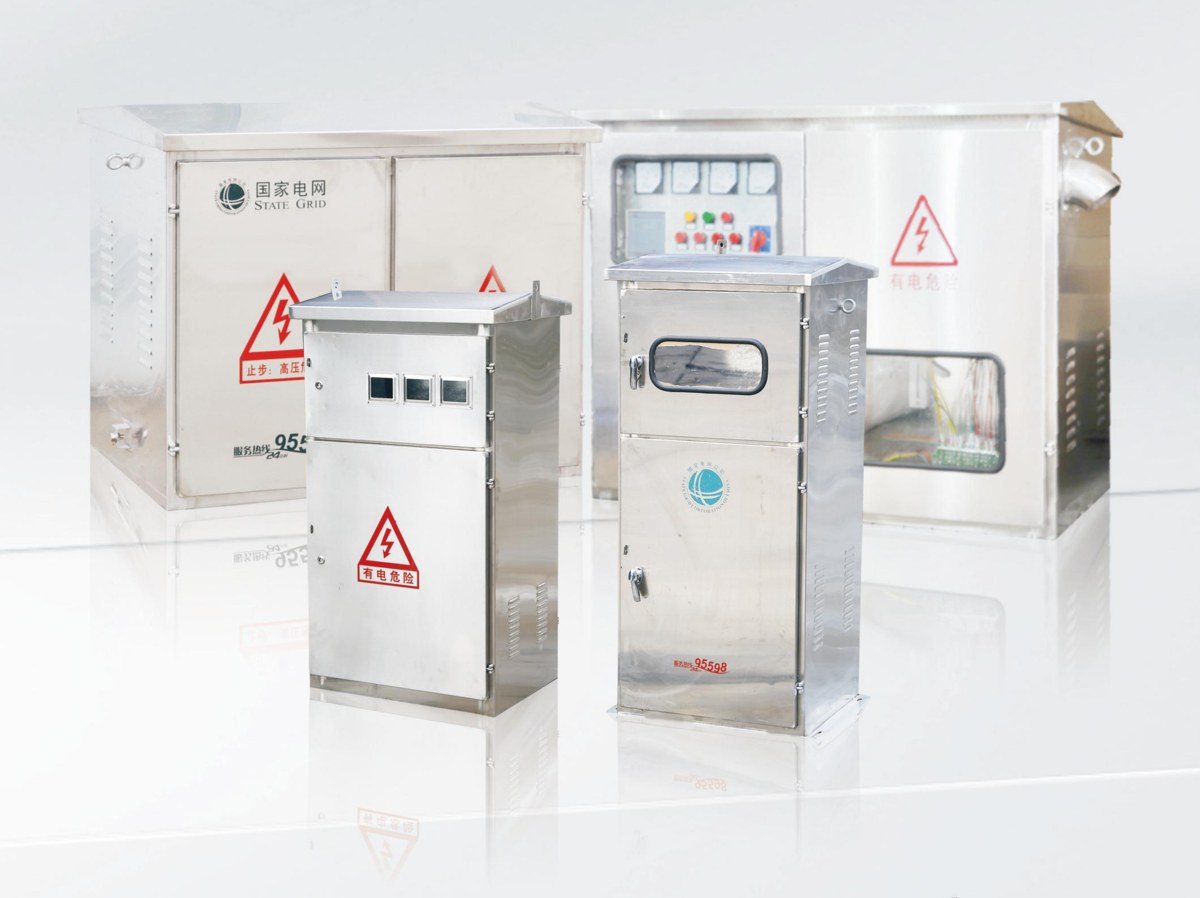
An outdoor distribution box combining metering, outgoing circuits and reactive power compensation. The JP series serves the low-voltage side of pole-mounted transformers, with vertical or horizontal stainless-steel enclosures and configurable circuit protection.

View product
GGD Type Low-Voltage Distribution Cabinet

Distribution Cabinet

GGD Distribution Cabinet

Fixed low-voltage distribution equipment for power conversion, distribution and control in power plants, substations and industrial facilities.

View product

The essentials

What is a Distribution Cabinet?

A distribution cabinet takes an incoming electrical supply and divides it among outgoing circuits. Busbars, switching devices, protection and metering are arranged around the load schedule. This category features GGD fixed low-voltage cabinets: the main devices and wiring remain in fixed positions, unlike the withdrawable drawer units used in GCS switchgear.

How it works

Working Principle of Distribution Cabinet

  1. Connect the incoming supply

    The incoming supply enters through the main switching device, such as a circuit breaker or isolating switch selected for the cabinet design. In its permitted operating position, this device connects the supply to the internal busbars, establishing the path for distributing power to the outgoing circuits.

  2. Distribute power to outgoing circuits

    The busbars carry power from the main incoming connection to the individual outgoing circuits. Each branch has the switching and protective components required by its load. The cabinet's circuit arrangement therefore determines how one supply feeds several separately protected circuits for the connected installation.

  3. Disconnect the affected branch

    When an overload or short circuit occurs, the relevant protective device disconnects the affected circuit according to its operating characteristics. Coordinated protection is intended to limit interruption to the faulted branch. Continued supply to other branches depends on the protection settings, device selectivity and the location of the fault.

Project enquiries

Have a single-line diagram or equipment schedule?

Share the electrical ratings, circuit functions and installation conditions for a configuration review.

Send your requirements

Why this category

Our Distribution Cabinet Advantages

  • Fixed installation provides a defined arrangement for incoming, outgoing and associated distribution circuits.
  • Listed current and short-circuit options allow a GGD configuration to be reviewed against the project duty.
  • Power and lighting circuits can be organized around the facility load schedule and single-line diagram.
  • Metering, switching components and auxiliary circuits can be specified together in the cabinet schedule.

Before you specify

Frequently Asked Questions

What is the difference between GGD and GCS?

GGD uses fixed installation and fixed wiring. GCS uses withdrawable drawer units for its functional circuits. Compare the circuit layout, access requirements and planned maintenance procedure before choosing between them.

Which electrical ratings need to be confirmed?

Review the supply voltage and frequency, incoming and outgoing currents, short-circuit duty and selected protective devices. GGD current and breaking-current options are linked to the model; the highest values in separate fields cannot be assumed to form one configuration.

Can one cabinet serve several different loads?

A GGD arrangement can include multiple outgoing circuits. Provide the load and feeder schedule so the number of circuits, device sizes, busbar arrangement and cabinet layout can be reviewed together.

Will a fault on one feeder leave every other feeder energized?

That outcome depends on the fault, protective-device settings and coordination with upstream equipment. A cabinet alone cannot guarantee uninterrupted power to every unaffected circuit; the protection scheme must be reviewed at system level.

Which drawings are useful for a quotation?

Send the single-line diagram, load schedule, cabinet arrangement, metering and auxiliary-circuit requirements, installation conditions, quantity and component preferences.

Project enquiries

Select the right equipment for your project.

Share your specifications, drawings and installation conditions. We can review the appropriate product and configuration.

Send your requirements
KNOWLEDGE & RESOURCES

Latest Blog Articles

Explore practical information for your next equipment enquiry.

PROJECT ENQUIRY

Discuss your requirements.

Shengyu — Global enquiry dialog (#4)
PROJECT BRIEF

Your enquiry details

This brief has not been sent. You can copy it for your project discussion.